
How to Get Started When You Feel Overwhelmed by Clutter
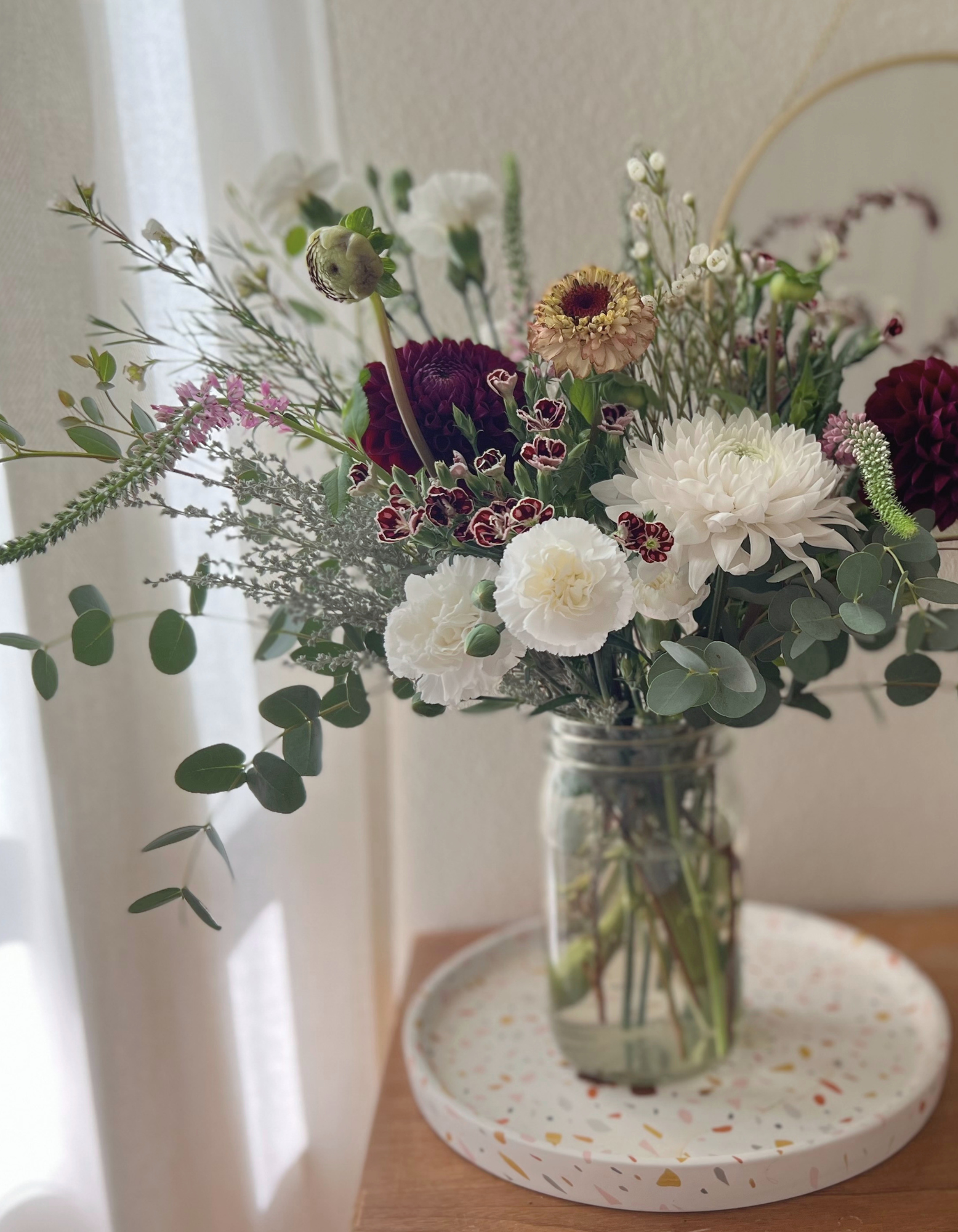
A reminder that it doesn’t all have to happen at once.
If you’ve ever stood in a room, looked around, and thought,
"I don’t even know where to start,"
you are not alone.
Feeling overwhelmed is one of the most common things I hear from clients. Not because they don’t want to make changes, but because there are just so many decisions to make all at once — it can feel paralyzing.
When everything feels like a priority, it’s hard to take the first step.
Why Getting Started Feels So Hard
When a space feels cluttered, your brain is processing a lot at once:
What should I keep?
What should I donate?
Where will this go?
How long will this take?
That’s a lot of decision-making.
This is often what we call analysis paralysis — when the number of decisions prevents you from taking action at all.
The Shift: Focus on the Next Step
One of the most helpful shifts I’ve learned — both in my own home and with clients — is this:
You don’t need to do everything at once. You just need to take the next step.
Not the perfect step. Not the final step.
Just the next one.
That might look like:
clearing one surface
sorting one drawer
setting a timer for 10 minutes
Small steps build momentum.
Where to Start When You Feel Overwhelmed
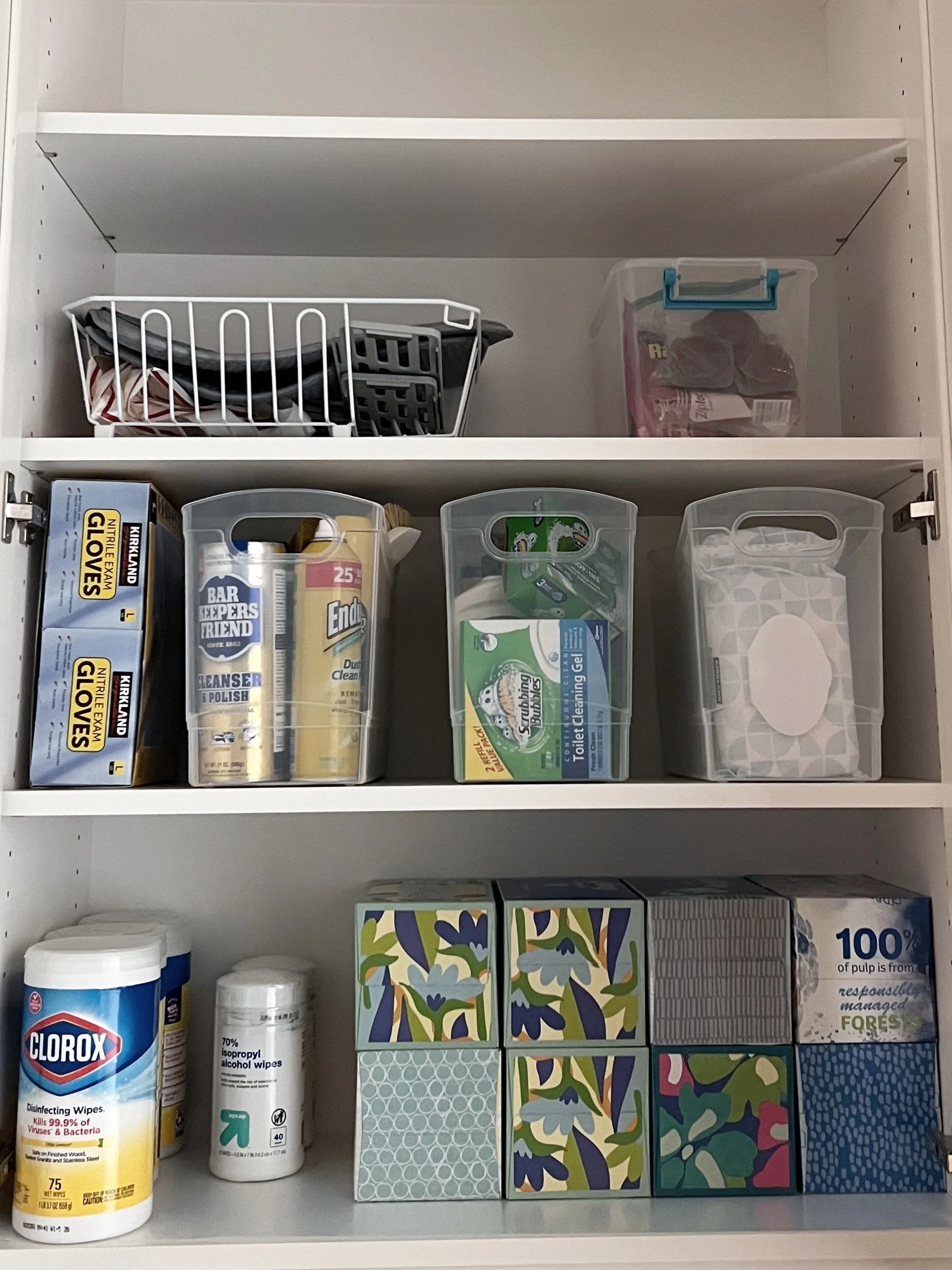
A small, simple system — everything has a place, which makes it easier to maintain.
1. Schedule the time
This might sound simple, but it’s often the most important step.
Look at your calendar and choose a specific day and time to work on your space. Write it down. Let your household know — whether that means inviting them to help or simply sharing that this is something that’s been causing you stress and you’d like to work on it.
Saying it out loud makes it feel more real, and can create a small sense of accountability to follow through..
If a space has been bothering you for a while, ask yourself — have you actually set aside time to address it?
The answer is often no, because we’re waiting for the “right” time or for motivation to strike. The reality is, you’re probably not going to suddenly feel inspired to declutter your pantry, closet, or garage.
That’s why I always say: schedule the time.
That time might be:
1 hour
30 minutes
even just 10 minutes
Choose what feels realistic for you.
2. Declutter first
Before organizing anything, you need to declutter.
That means going through each item in the space, deciding whether it stays or goes, and placing it into the appropriate bag or box.
Really — grab a few grocery bags and label them:
Keep
Donate
Trash
Recycle
Relocate
Otherwise, you’re just moving things around and making your clutter more organized — which doesn’t actually solve the problem.
3. Set realistic goals
Check in with yourself:
How much energy do you have for this?
3 hours?
1 hour?
10 minutes?
There’s no right answer — only what works for you.
Setting realistic expectations makes it much easier to follow through.
4. Be kind to yourself
This space didn’t become cluttered overnight.
It’s likely built up over time — weeks, months, maybe even years.
So it’s going to take time to work through it, and that’s okay.
The most important step is simply getting started — and you’ve already done that by scheduling the time.
5. Be specific
The more specific you can be about what isn’t working in a space, the easier it becomes to improve it.
Ask yourself:
What about this space isn’t working?
I can’t find things
It feels cluttered
Things fall when I open the door
I have to dig through everything
How do I want this space to function?
Calm and easy to maintain
Accessible for multiple people
Seasonal or flexible
Once you have clarity, you can return to that vision when things start to feel overwhelming.
This is something I walk through with clients all the time — and it’s amazing how much easier decisions become once there’s a clear goal for the space.
If it helps, you can even jot this down — what’s not working, how you want the space to feel, and a few simple steps to get there. It doesn’t have to be complicated. Something like:
Step 1: Declutter
Step 2: Create homes for what’s left
Step 3: Add simple systems that support how you want to use the space
For example, if your goal is to create a reading nook and you start to feel stuck, pause and ask:
What’s the next step toward that goal?
Maybe that looks like:
clearing the chair or corner where you want to sit
removing anything that doesn’t belong in that space
bringing in a lamp or small table
adding a basket for books
You don’t have to finish everything at once — just take the next step that moves you closer to how you want the space to feel.
And if you need a break, take one. A short walk can help reset your mind and make it easier to come back with fresh eyes.
The Goal Isn’t Perfection
Just like I often tell clients:
The goal isn’t perfection — it’s creating systems that support you.
That means creating a home that works for your real life, not an ideal version of it.
If You Need Support
If you’re feeling overwhelmed by a space in your home and don’t know where to begin, this is exactly the kind of work we help clients with every day.
We help break things down into manageable steps and create simple systems that make your home feel easier to live in.
If you’d like support getting started, you can reach out here.
One step at a time.